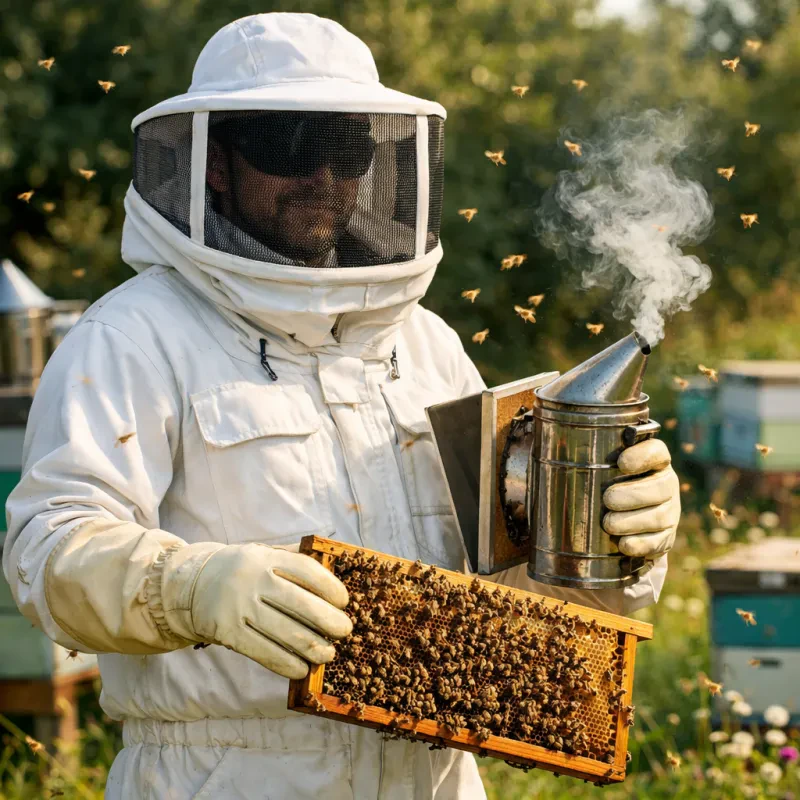
Getting into beekeeping is exciting, but it can also feel a bit overwhelming. Let’s break it down with some first year beekeeping tips to help you kick off your journey on the right foot. First things first, you need to have the right gear. A protective suit and gloves are essential. You don’t want to start your new hobby with a bee sting that could've easily been avoided!
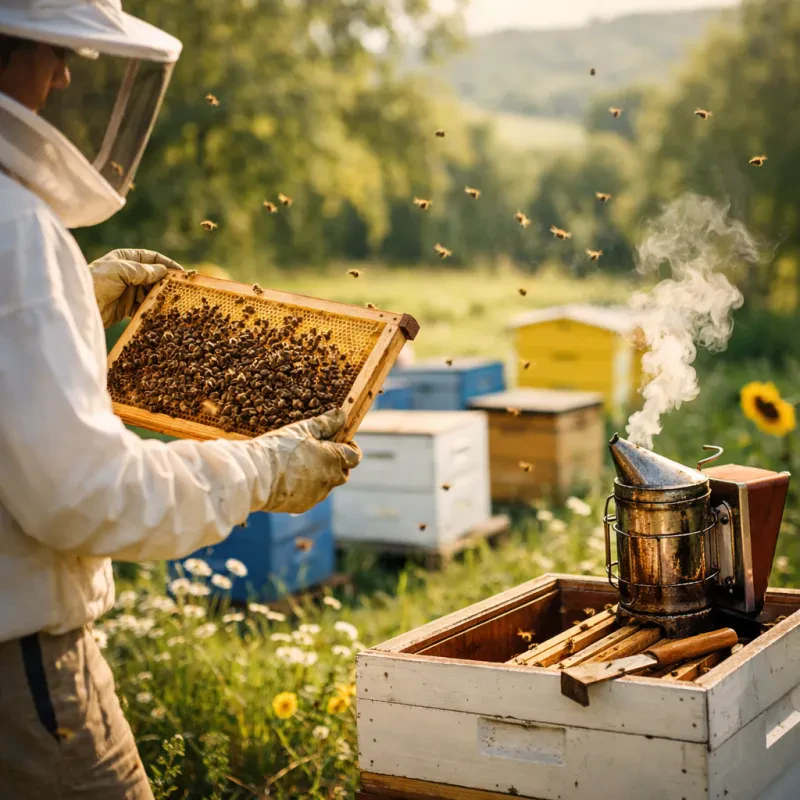
Start with a solid hive setup. Many beginners choose the Langstroth hive because it’s popular and well-suited for new beekeepers. It allows for easy management and honey harvesting. Don’t forget to include some essential tools, like a smoker and a hive tool. These will make your life much easier when inspecting your bees or handling frames.
Another important piece of advice in these first year beekeeping tips is to choose the right bees. Italian bees are friendly and hardworking, making them a great choice for newbies. You may also want to consider getting a package of bees or a nuc to jumpstart your hive. It’s usually less stressful than starting from scratch.
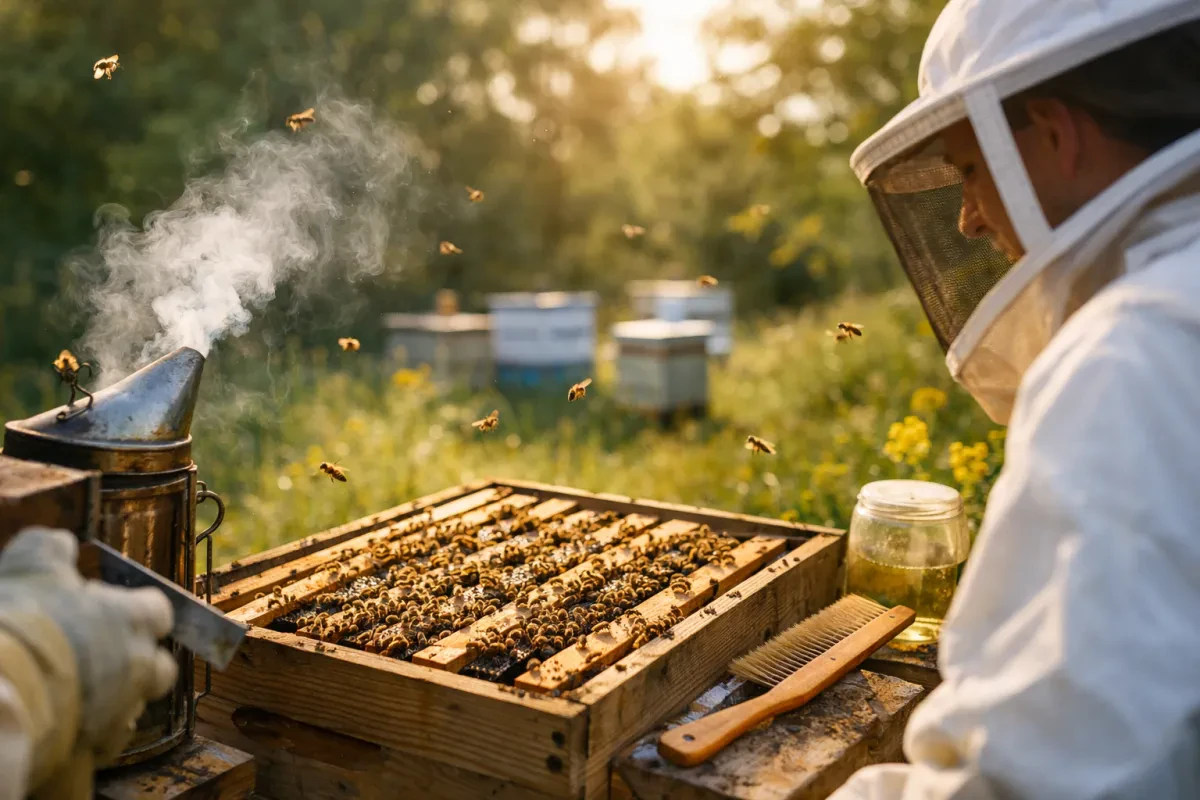
Regular inspections are key as you start. Check your bees about every week or every other week. Look for signs of a healthy colony, like capped brood and enough stored honey. This routine helps you catch any issues early. Plus, it’s a great chance to get some hands-on experience and really learn how your bees work.
Choosing the Best Equipment for Beginners
Getting started with beekeeping can feel overwhelming, but with the right equipment, you’ll set yourself up for success right away. When following first year beekeeping tips, focus on the essentials first. You don’t need to buy everything at once. Start with the basics that will keep your bees happy and healthy.
First up, you need a good beehive. The Langstroth hive is super popular among beginners. It’s easy to manage and makes honey harvesting a breeze. Look for a complete hive kit, which usually includes all the necessary components like frames and foundation. This way, you won’t have to worry about piecing everything together.
Don’t forget about your protective gear! A bee suit, gloves, and a veil will keep you safe while you work with your hive. Opt for a suit that fits well and is comfortable. You want to be able to move around freely while keeping those stingers at bay. A good quality smoker is also a must-have. It calms the bees and makes it easier to inspect the hive.
Lastly, invest in some basic tools like a hive tool and a bee brush. The hive tool helps you pry apart frames and scrape away propolis. The bee brush gently moves bees without harming them, which is super helpful during inspections. These tools are reliable and make handling your bees much smoother, which is key for following those first year beekeeping tips.
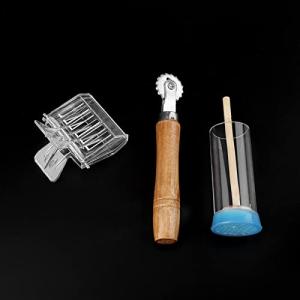
7-Piece Beekeeping Tool Set for Beekeepers
Everything you need to make beekeeping easier and more enjoyable
Product information
£20.32
Product Review Score
4.84 out of 5 stars
49 reviewsProduct links
Essential Bee Care Practices for New Beekeepers
When you start beekeeping, mastering some essential bee care practices will make your first year so much easier. These first year beekeeping tips can help you keep your hive healthy and your bees happy. Let's dive into some basics that every new beekeeper should know.
First off, you need to get familiar with your bees. Spend time observing them. Watch their behavior and learn how they interact with each other and the environment. Understanding what’s normal for your bees will help you spot any issues early on. You’ll want to know when they’re foraging, how they’re clustering in cooler weather, and how they react to disturbances.
Next, check your hive regularly. Spend a few minutes each week looking in on your bees. You’re not just keeping tabs on their honey production; you want to spot any signs of pests or diseases. Look for mites, wax moths, or any signs of foulbrood. Catching problems early can save you time, money, and a lot of stress.
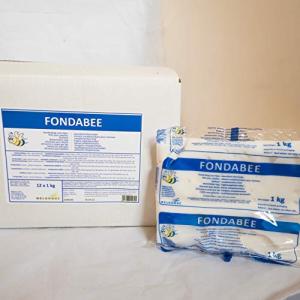
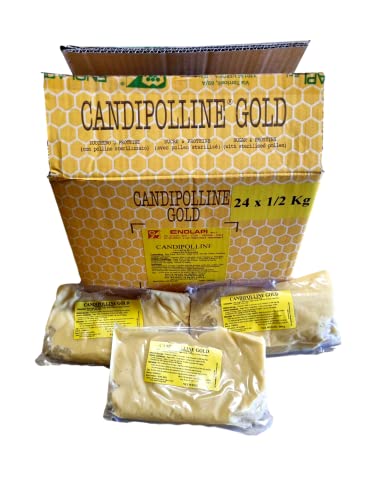
Feeding your bees is another important aspect of their care. If your area doesn't have enough pollen or nectar, feeding them sugar syrup or pollen patties can help them thrive. Your first year beekeeping tips include knowing when to provide this extra boost, especially in the spring and fall. Don't wait until they’re struggling to look for food! Keeping them well-fed is key to a strong hive.
Lastly, check the health of your queen. A healthy queen is essential for a thriving colony. Look for signs of a strong brood pattern and make sure she’s laying eggs regularly. If you see problems, you might need to replace her. Keeping your queen happy is one of those first year beekeeping tips that pays off down the road with a robust and productive hive.

10pcs Beekeeping Honey Strainer Bag Set for Harvesting
Effortlessly harvest your honey with this convenient 10pcs Beekeeping Honey Strainer Bag Set
Product information
£17.41
Product Review Score
4.2 out of 5 stars
86 reviewsProduct links
Harvesting Honey and Enjoying Your Rewards
Harvesting honey is one of the most exciting parts of beekeeping. After all your hard work during the season, it’s time to enjoy the sweet rewards. Here's what you need to know to make this step smooth and enjoyable.
First, check your hives to see if the honey frames are capped. This means the bees have sealed them off, indicating the honey is ready for harvesting. You'll want to go in when it’s warm outside, ideally on a sunny day. The bees will be out foraging, making it easier for you to work. Gather your tools: a bee smoker, a hive tool, and a honey extractor.
Once you've opened the hive, gently remove the frames with capped honey. Use your hive tool to gently pry them loose. It’s best to wear your bee suit during this process just in case. After you’ve harvested the frames, it’s time to extract the honey. If you don’t have a honey extractor, you can use a simple method like crushing and straining, but the extractor saves you a lot of time.
Don’t forget to save a little honey for yourself! It's truly rewarding to taste something you’ve nurtured. Share it with friends and family, or even try some fun recipes. This is all part of the joy of beekeeping. Remember these tips, and you'll have a successful harvest in your first year of beekeeping!