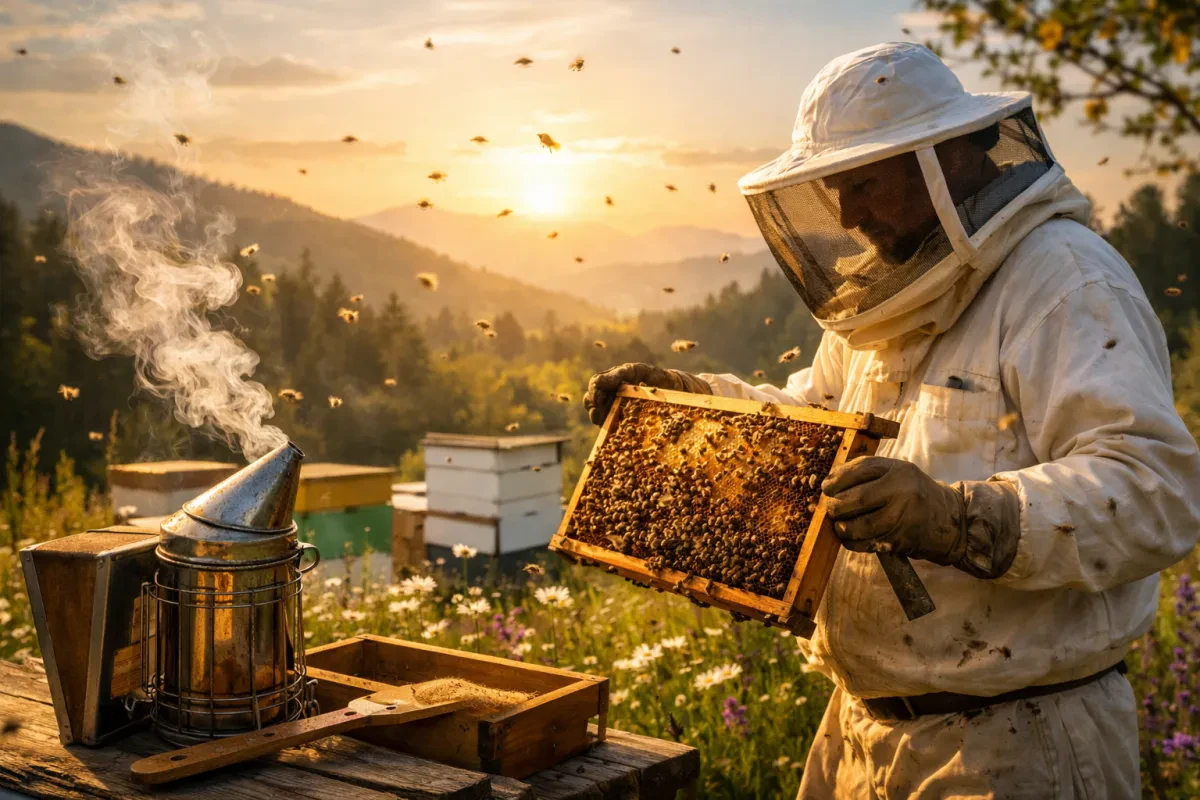
Mastering hive management skills is key to thriving in advanced beekeeping techniques. Whether you're a seasoned pro or just stepping up your game, understanding how to care for your hives can dramatically impact honey production and bee health. It all starts with regular inspections. Make it a habit to check your hives regularly to spot any issues before they escalate.
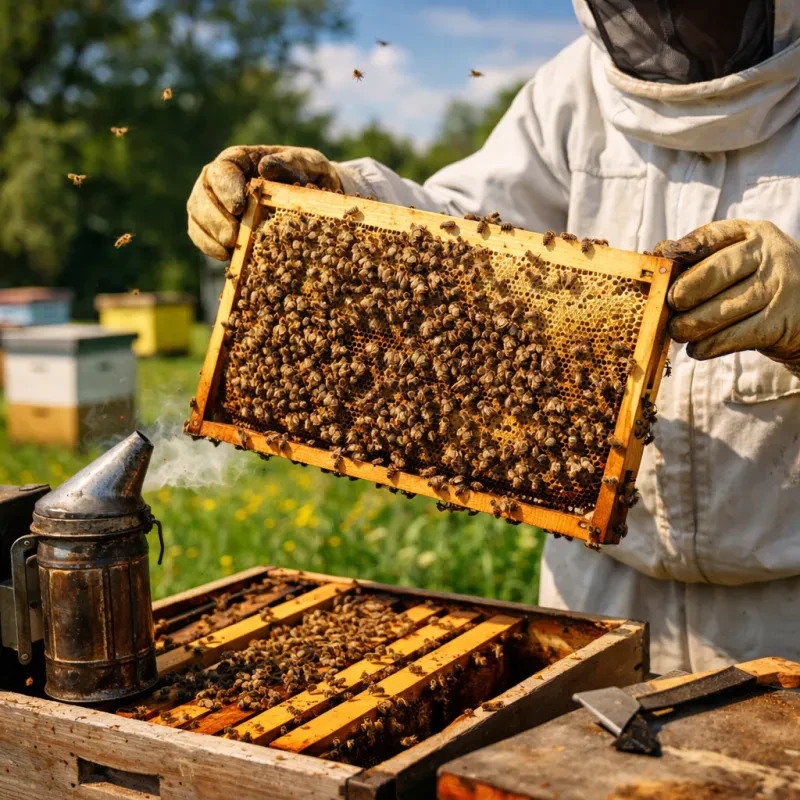
When you open a hive, look for healthy brood patterns, a queen that's busy laying eggs, and overall bee activity. Keep an eye out for pests or diseases. Early detection lets you take action before it becomes a bigger problem. Remember to document your findings. Keeping notes on what works and what doesn’t is part of perfecting those advanced beekeeping techniques.
Another crucial aspect of hive management is ensuring your bees have enough food and space. Calculate how much honey they’ll need to get through the winter and manage the brood chamber wisely. If your bees are growing strong and need more room, it's time to add some supers. This way, you’ll avoid crowding and help them thrive.
Don't forget about the importance of pest control and hive maintenance. Learn how to manage Varroa mites, small hive beetles, and wax moths. Using natural and organic methods can keep your bees happy without harming them. Plus, a well-maintained hive means your bees stay healthy and productive, which is a win for everyone.
Boost Your Honey Harvest Techniques
Are you ready to step up your honey game? Boosting your honey harvest isn’t just about having the right bees; it’s about using some savvy advanced beekeeping techniques. These techniques can help you maximize your yield and keep your bees happy. Let’s dive into some practical tips!
First off, keep a close eye on your hive's health. Regular inspections can help you catch potential problems before they affect your honey production. Look for strong brood patterns, healthy bees, and ensure there’s enough food for them as seasons change. If your bees feel good, they’ll produce more honey!
Next, consider your hive’s placement. A sunny spot is ideal for getting bees buzzing. Make sure they have access to plenty of flowering plants nearby. That way, they’ll have all the nectar they can gather. If you move your hives, do it at night to keep your bees calm—this way, they’ll settle into their new location without a hitch.
Don’t forget about optimizing your hive management. Techniques like using honey supers can increase honey storage space during peak production times. Some keepers even use queen excluders to keep the queen out of honey supers, ensuring your harvest stays pure and all about that sweet goodness. Regularly rotating frames to promote freshness in your hive also boosts production.
Finally, always stay curious. Advanced beekeeping techniques are about experimenting and learning what works best for your unique setup. Whether it’s testing new hive designs or trying different bee forage plants, keep tweaking your approach to find what your bees love the most. Happy beekeeping!
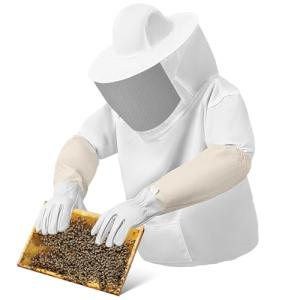
Ventilated Beekeeping Suit with Gloves Set
Stay cool and protected in the hive with this comfy and durable beekeeping suit and gloves combo
Product information
£15.59
Product Review Score
4.13 out of 5 stars
144 reviewsProduct links
Understand Bee Behavior and Health
Bees are fascinating creatures that play a huge role in our ecosystem and in our beekeeping hobby. Understanding their behavior and health is essential if you want to succeed with advanced beekeeping techniques. Let’s dive into a few key aspects.
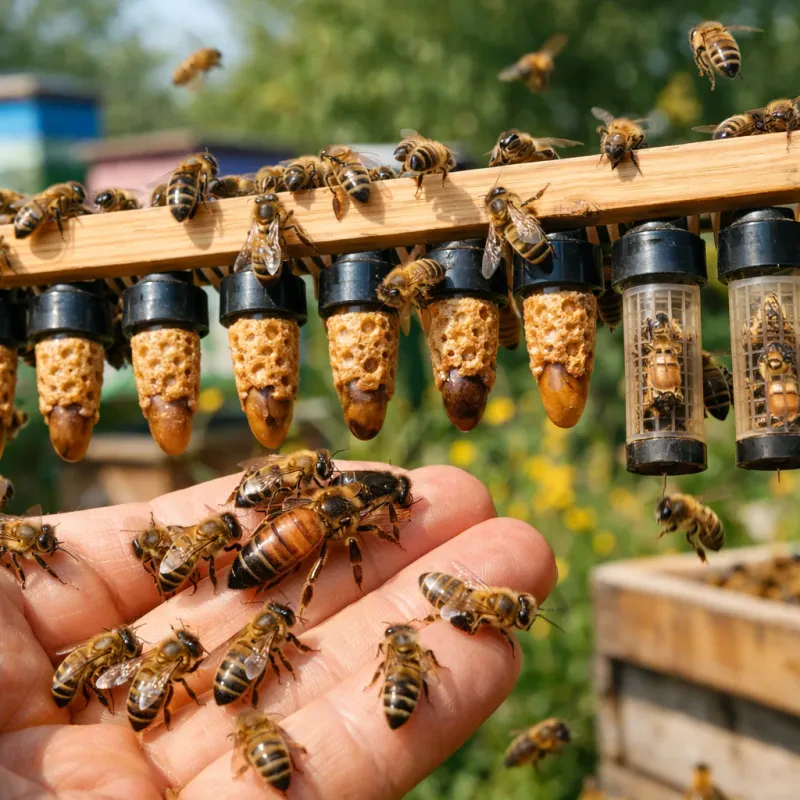
First off, knowing how bees communicate can really help you manage your hives better. Bees use pheromones to signal everything from danger to the queen's presence. Observing their behavior can give you clues about their mood. For example, if they seem more aggressive, it might be time to check for problems. A calm hive usually means everything’s working smoothly.
Health is another crucial factor. Regularly examining your bees for signs of stress or illness helps maintain a strong colony. Look out for symptoms like sluggish movement or a decrease in honey production. These could indicate bigger issues like disease or pests. Advanced beekeeping techniques often include preventative measures, such as rotating frames and ensuring proper ventilation in the hive.
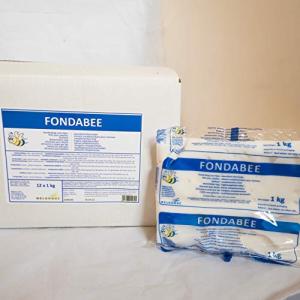
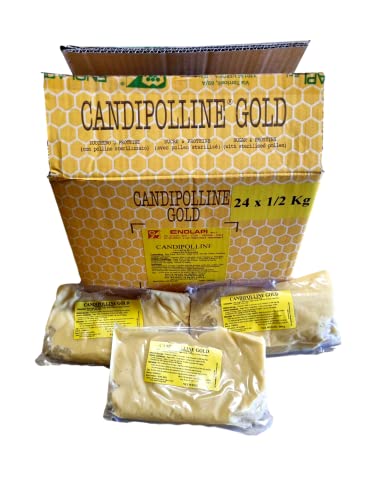
Nutrition matters too. A well-fed hive is a happy hive. Bees need a balanced diet rich in proteins and sugars. Opt for floral diversity around your apiary. This not only keeps your bees healthy but also boosts their honey production. Sometimes, supplementing their diet with sugar water or pollen patties can provide that extra support, especially during harsher seasons.
Finally, don't forget to keep learning. The more you know about bee behavior and health, the better you'll be at using advanced beekeeping techniques. Join local beekeeping clubs or online forums. Sharing experiences can open your eyes to new methods and solutions that work well in real-world situations. Happy beekeeping!

Beekeeping Journal and Log Book for Beginners
Keep track of your beekeeping journey and monitor hive health with this easy-to-use journal
Product information
£6.89
Product Review Score
4.2 out of 5 stars
44 reviewsProduct links
Explore Innovative Equipment and Tools
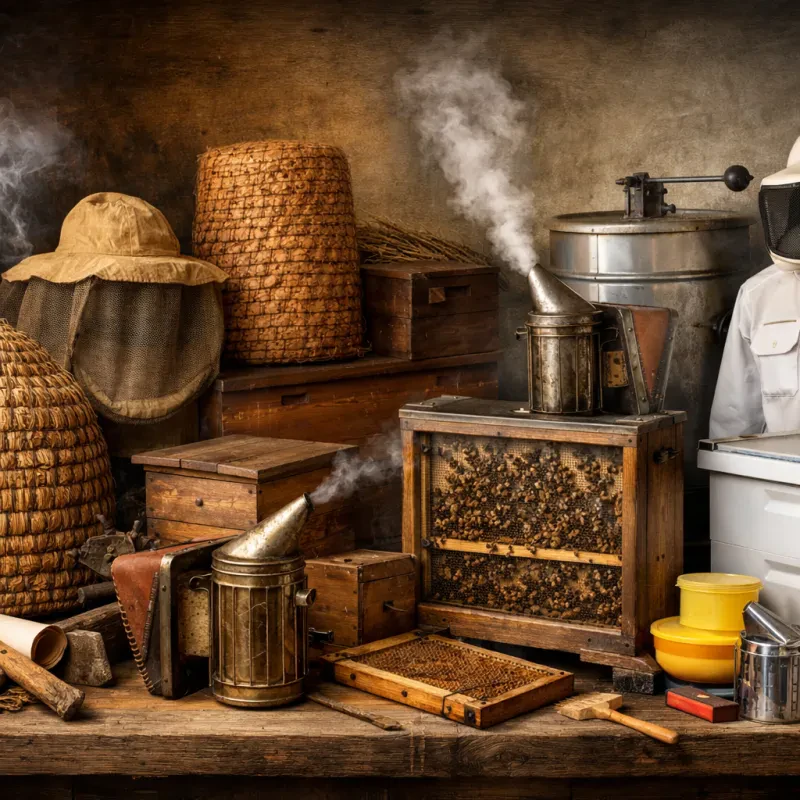
When it comes to advanced beekeeping techniques, having the right equipment can make all the difference. You want tools that are user-friendly, efficient, and designed to help you manage your hives better. Let’s dive into some of the innovative equipment that every serious beekeeper should consider.
First up, think about investing in a high-quality bee suit. Today’s bee suits are comfortable, lightweight, and provide excellent protection. Look for features like ventilated fabric to help keep you cool during those hot summer days in the apiary. Also, a well-fitting suit keeps those curious bees at bay while you’re working. No one wants to end a beekeeping session with a bee sting!
A good smoker is another must-have for advanced beekeeping techniques. It calms the bees, allowing you to inspect your hives without causing too much disturbance. Choose a smoker that’s easy to light and stays lit for a long time. Pairing it with some dry leaves or pine needles can really enhance your smoking technique.
Don’t overlook hive tools, either. Invest in a strong hive tool that can help you pry apart frames and scrape off propolis. You also want to have a bee brush handy. This simple tool helps gently move bees off frames without harming them. With these essentials, you’ll handle hive inspections like a pro!
Finally, consider a honey extractor. If you're serious about harvesting honey, a good extractor is key. A manual or electric extractor can help you efficiently get that sweet liquid gold from your frames without damaging them. It’s an investment that pays off when you enjoy your homemade honey all year round.