When you dive into beekeeping, one of the first things you’ll need to figure out is your hive inspection frequency. Regular inspections help keep your bees healthy and happy, and they give you a chance to check on the colony’s progress. So, how often should you take a peek inside your hive? Let’s break it down.
Most beekeepers generally start with inspections every 7 to 10 days during the active season, which is usually spring and summer. This schedule gives you enough time to monitor the bees without overwhelming them. You want to see how the queen is laying eggs, check for signs of disease, and make sure no pests are crashing the party. But remember, too many inspections can stress out your bees, so find a balance that works for you and your hive.
As the season changes, so should your hive inspection frequency. In the fall, you might cut back to every two weeks or so. The bees are preparing for winter, and they might not need as much monitoring. Just make sure to check that they have enough food and are ready to brave the colder months. Keeping an eye on your hives helps you anticipate any challenges before they become real problems.
Weather plays a big role too. On rainy or windy days, it’s best to wait for better conditions. Bees are more likely to be grumpy when it’s bad out, and you don’t want to deal with a swarm of upset bees! So, assess the weather and your hive's needs before heading out with your tools.
Ultimately, finding the right hive inspection frequency comes down to your specific hive and your comfort level as a beekeeper. Stay observant, listen to your bees, and adjust as needed. You’ll find that keeping a regular inspection schedule will help you manage your bees while keeping them healthy and productive.
Signs Your Hive Needs Inspecting
When it comes to your bees, keeping a close eye on them is key. Regular hive inspections are essential, but knowing when to look inside can be tricky. Here are some signs that your hive needs inspecting. Spotting these red flags early makes a big difference in maintaining a healthy colony.
If you notice a sudden drop in bee activity, that’s a solid sign it's time for a check. A healthy hive should be buzzing with activity. If things seem quiet or if bees are acting unusually, it’s best to open up that hive and see what's up. Check for pests or diseases that might be affecting their ability to work.
Another sign to watch for is buildup of excessive propolis. Bees use propolis to seal cracks and protect their hive, but if there’s too much, it can indicate an underlying issue. Inspecting the hive can help you determine whether they’re just being thorough or if there’s something more serious at play.
Also, keep an eye on the honey stores. If your bees are running low on food, especially before winter, you’ll want to step in. A quick inspection can help you assess whether they have enough supplies or if you need to supplement their food to keep them going. This is crucial for hive inspection frequency, especially during critical times of the year.
Lastly, check for any signs of swarming. If your bees are getting restless and starting to cluster outside the hive, it could mean they're getting ready to split. This is a good time to inspect and manage the situation to prevent losing half your colony. The right hive inspection frequency can help catch these signs before they escalate.
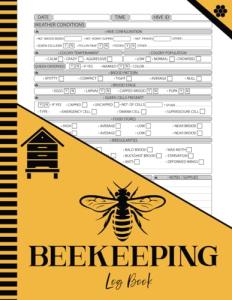
Beekeeping Tracking Journal & Inspection Logbook: 112 Pages
Product information
£7.86
Product Review Score
4.98 out of 5 stars
225 reviewsProduct links
Ideal Inspection Frequencies for Your Hive
Figuring out the ideal hive inspection frequency can be a game-changer for your beekeeping journey. Checking your hive too often can stress out your bees, while waiting too long might cause you to miss early signs of trouble. It’s all about finding that sweet spot!
In the spring, aim for inspections every 7 to 10 days. The bees are buzzing with activity as they build up their population and resources. You want to check on their growth, queen health, and whether they have enough space. Keeping tabs during this time helps ensure your hive is strong and thriving.
Come summer, you can stretch the hive inspection frequency to about every 10 to 14 days. Just keep an eye on things like honey production and pest problems. Check if your bees have enough room to work, and make sure they’re still on the right track. Less frequent checks keep the stress down for your girls.
As fall rolls around, you can reduce your inspections to every 2 to 4 weeks. The bees will start winding down, so you’ll want to monitor food stores and keep out pests. This is the time to ensure they have enough honey to make it through winter. If you see any issues, you still have time to address them.

Beginner's Guide: Starting Your Beekeeping Journey
A comprehensive and practical step-by-step guide to help you start your beekeeping journey successfully
Product information
£14.99
Product Review Score
4.77 out of 5 stars
154 reviewsProduct links
Tips for Effective Hive Inspections
Inspecting your hives regularly is key to keeping your bees healthy and productive. But how often should you do it? The answer relies on your hive inspection frequency, which can change based on the season, the health of your bees, and what you’re hoping to achieve. Here are some handy tips to make the most of your hive inspections.
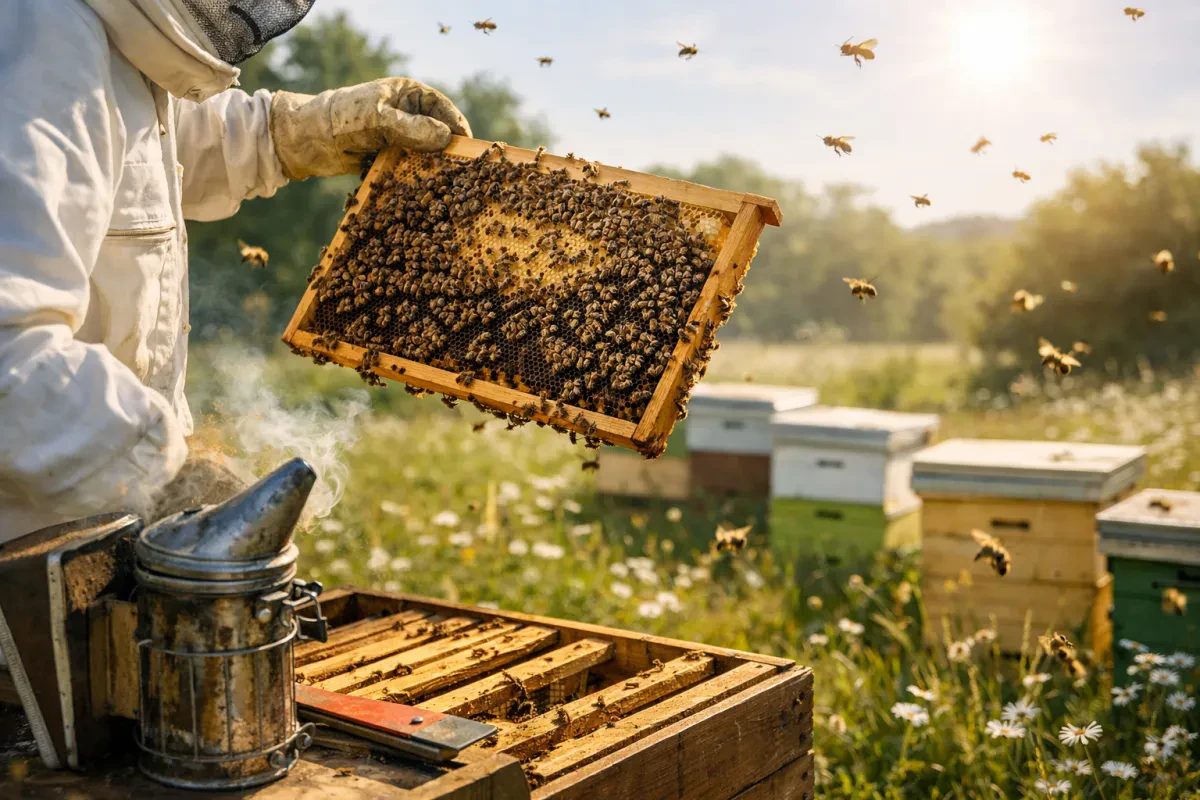
First things first: always approach your hive calmly and quietly. Bees can sense agitation, and calm vibes can keep them relaxed. When you lift the lid, give your girls a moment to settle down before diving in. If it’s busy in there, take a few moments to watch their behavior. This can tell you a lot about their mood and what might be going on.
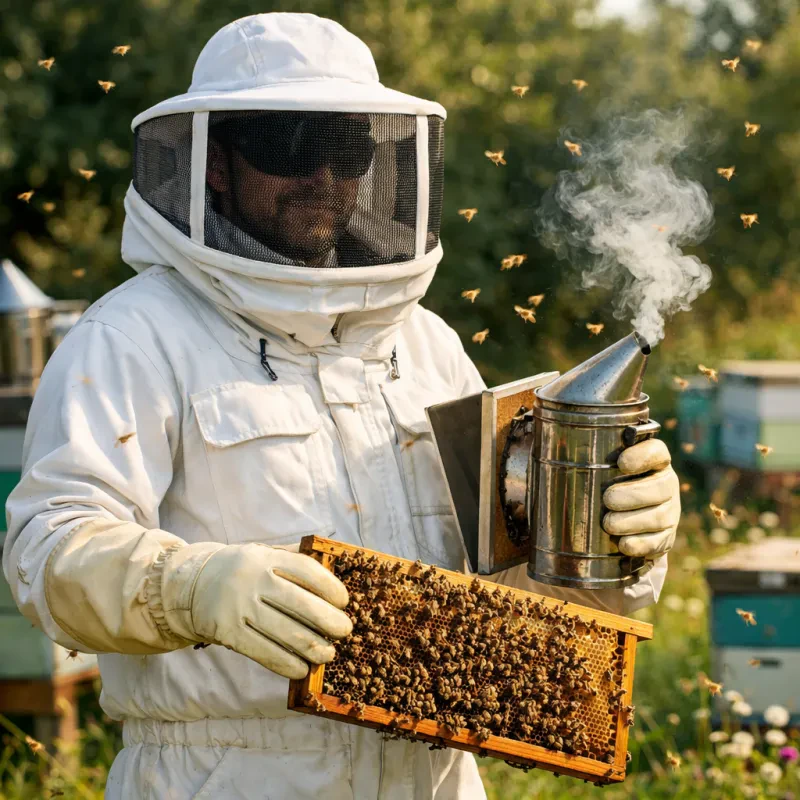
As you start inspecting, keep an eye out for signs of pests or disease. Check for Varroa mites, wax moths, and any unusual smells or colors in the brood. Taking the time to note these things can save you headaches later. Use a good tool, like a bee brush or a smoker, to handle the bees gently. This way, you can focus better on what’s happening in the hive.
Don’t forget to take notes! Jot down your observations during each hive inspection. Keep track of what you see and any changes in your bee’s behavior. This can be super helpful for future inspections and will give you a clearer picture of your hive's health over time.
Finally, adjust your hive inspection frequency based on what you observe. During spring and summer when hives are active, more frequent checks are essential. In colder months, you can scale back. Listen to your bees; they’ll let you know what they need! Keeping your inspections regular but mindful will help maintain a thriving colony.