Trying your hand at eco-friendly beekeeping? You’re on the right track! Sustainable beekeeping practices can help keep your backyard buzzing and benefit the environment too. First things first, choose the right location for your hives. Aim for a sunny spot but avoid areas with heavy pesticide use. That way, you’ll create a healthy environment for your bees to thrive.
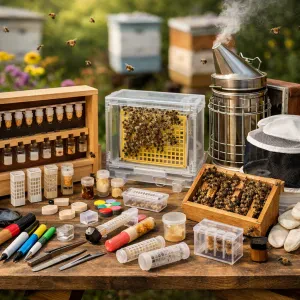
Next up, think about the materials you're using. Opt for natural, untreated wood for your hives. Avoid chemicals and add preservatives that could harm your bees. There are many options for sustainable beekeeping equipment that are gentle on the environment and your buzzing buddies. This little change makes a huge difference.
Don’t forget about plant life! To support your bees, grow local flowers and plants that bloom throughout the year. This gives them a steady supply of food. Native plants are ideal since they’re naturally suited to your area and attract various pollinators. You’ll not only help your bees but also create a lovely garden.
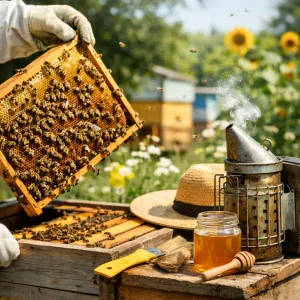
Lastly, keep an eye on your beehive's health. Regular checks will help you catch issues early, ensuring your bees stay happy and productive. Rotate your hives and practice good sanitation. All these steps are part of sustainable beekeeping practices that can lead to a flourishing bee colony while being kind to the earth. It’s a win-win!
Farmers' Guide to Sustainable Beekeeping
When it comes to sustainable beekeeping practices, the main goal is to ensure that your bees thrive in their environment while also keeping the planet healthy. It’s about creating a balance that benefits your bees, the ecosystem, and, of course, your honey production. Let’s dive into some simple yet effective practices you can adopt.
First off, think about where you place your hives. Choose locations that provide plenty of floral diversity. The more variety of flowers around, the better food source your bees have. This means they can produce more honey and stay healthy. Plus, you’ll get richer flavors in your honey! Consider planting wildflowers or native plants nearby to create a bee-friendly paradise.
Another essential part of sustainable beekeeping practices is pest management. Instead of relying on chemicals that can hurt your bees, think about natural solutions. You can attract beneficial insects like ladybugs or lacewings to help keep those pesky pests in check. Also, regularly check your hives to catch any issues early. A little maintenance goes a long way in protecting your bees.
Don’t forget about water! Bees need a clean source of water to stay hydrated. Setting up a simple water station with pebbles or floating pieces ensures that bees can drink safely without drowning. Keeping this in mind shows that you're dedicated to their well-being.
Lastly, if you're expanding your hive, consider using local bees. These bees are often better adapted to your area, making them more resilient and productive. Plus, supporting local bee populations helps maintain the biodiversity of your region. Remember, when you take care of your bees, they’ll take care of you.

Toyvian Full Body Beekeeping Suit with Gloves
Keep yourself protected and comfortable while tending to your bees with this all-in-one beekeeping suit and gloves
Product information
£20.49
Product Review Score
4.9 out of 5 stars
174 reviewsProduct links
Beeswax Alternatives for Green Choices
When you’re diving into sustainable beekeeping practices, thinking about alternatives to beeswax is a great step towards being eco-friendly. Beeswax is awesome, but there are plenty of alternatives that make your beekeeping journey even greener.
First up, let’s talk about soy wax. It’s made from soybeans and is a popular choice for candles and wraps. Soy wax is biodegradable and burns clean, making it a fantastic sustainable option. Plus, it’s pretty affordable! If you’re looking to make wraps or candles, soy wax is definitely worth checking out.
Coconut wax is another eco-friendly option. It’s derived from the fruit of coconuts and is known for its smooth texture and great scent throw. If you love the idea of creating your own candles or cosmetics, coconut wax is a must-try. It’s sustainable and gives your products a luxurious feel.
Lastly, try looking into vegetable-based waxes. These can come from various sources, like palm or other plant oils. They’re typically sustainable and can be used in a range of beekeeping projects from wraps to creams. Just be sure to choose vegetable waxes sourced responsibly to keep up those sustainable beekeeping practices.
By exploring beeswax alternatives like soy, coconut, and vegetable-based waxes, you can lessen your impact on the environment while still enjoying all the fun of beekeeping. You’ll feel good knowing you’re making choices that benefit both your hives and Mother Earth!
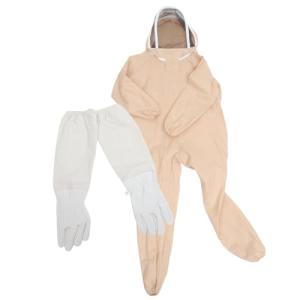
VINTORKY Ventilated Beekeeping Suit with Gloves
Stay cool and comfortable while protecting yourself from stings with this breathable beekeeping suit and gloves
Product information
£20.39
Product Review Score
4.41 out of 5 stars
152 reviewsProduct links
Harvesting Honey with Nature in Mind
Harvesting honey can be a sweet experience, especially when you keep nature in mind. By using sustainable beekeeping practices, you can ensure your bees stay healthy and happy. This not only benefits your hives but also helps the environment. After all, strong bee populations are crucial for our ecosystems!
When it’s time to collect honey, timing is everything. Wait for a warm, sunny day when the bees are out foraging. This way, you can minimize the disturbance to the hive. Gently remove the honey supers and use a bee escape or a fume board to encourage the bees to leave the frames. This keeps your honey pure and reduces the stress on your bees.
Always leave enough honey for your bees to thrive. Sustainable beekeeping practices emphasize the importance of not overharvesting. A good rule of thumb is to take only what you need and leave the rest for the bees as they prepare for winter. This helps maintain a balanced ecosystem and ensures your bees can keep producing in the future.
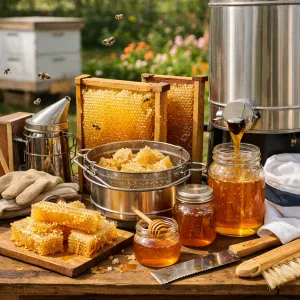
After harvesting, it’s time to extract the honey. You can use a manual extractor if you want to keep things simple, or an electric one for larger batches. Either way, the goal is to do it gently so you don’t harm the honeycomb. Remember, this is a labor of love, and taking your time pays off with a high-quality product.
By following sustainable beekeeping practices, you contribute to a healthier planet. Your bees will reward you with delicious honey, and you’ll have peace of mind knowing you’re doing your part for the environment. Plus, sharing your honey with friends and family will make all your hard work feel totally worth it!