First things first, you need to choose the right hive. There are a few types to consider, like Langstroth, top-bar, or Warré hives. For beginners, the Langstroth hive is super popular because it’s easy to manage and lets bees build their natural living space. Plus, it's modular, so you can expand as your bee colony grows!
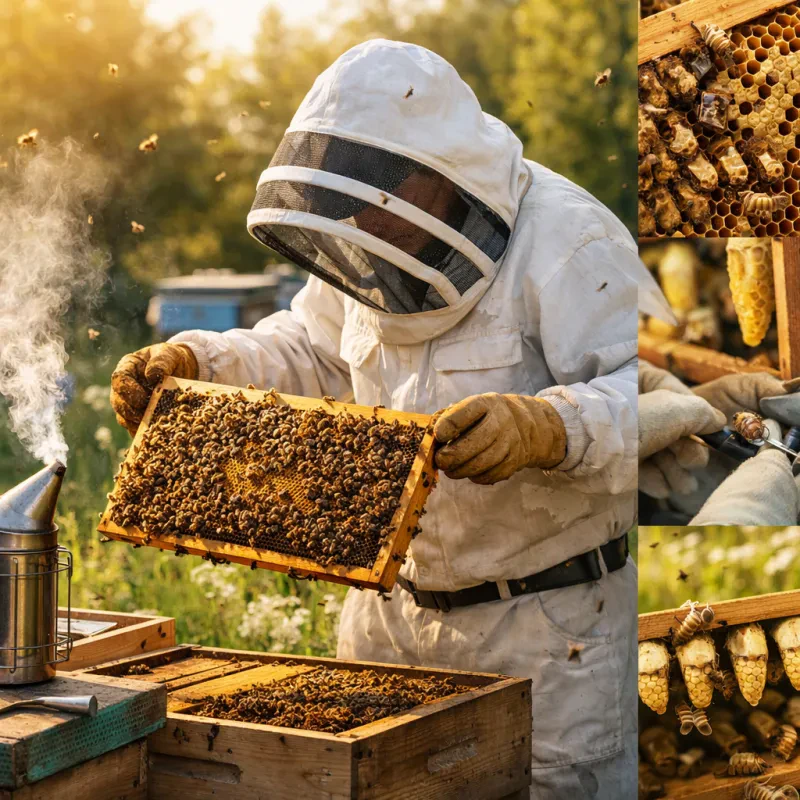
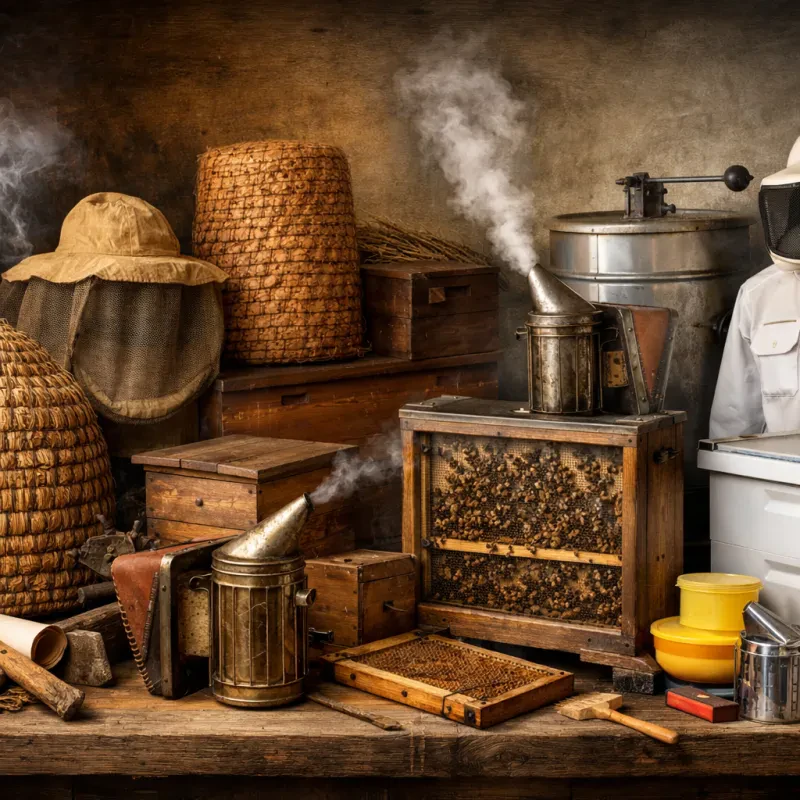
Next, it's important to know what tools you'll need. A bee suit and gloves are essential for protecting yourself. You might want a smoker to calm the bees and a hive tool for opening the hive. Don't forget a bee brush, too. These tools make your beekeeping experience smoother and safer. Check our recommended equipment to find quality options!
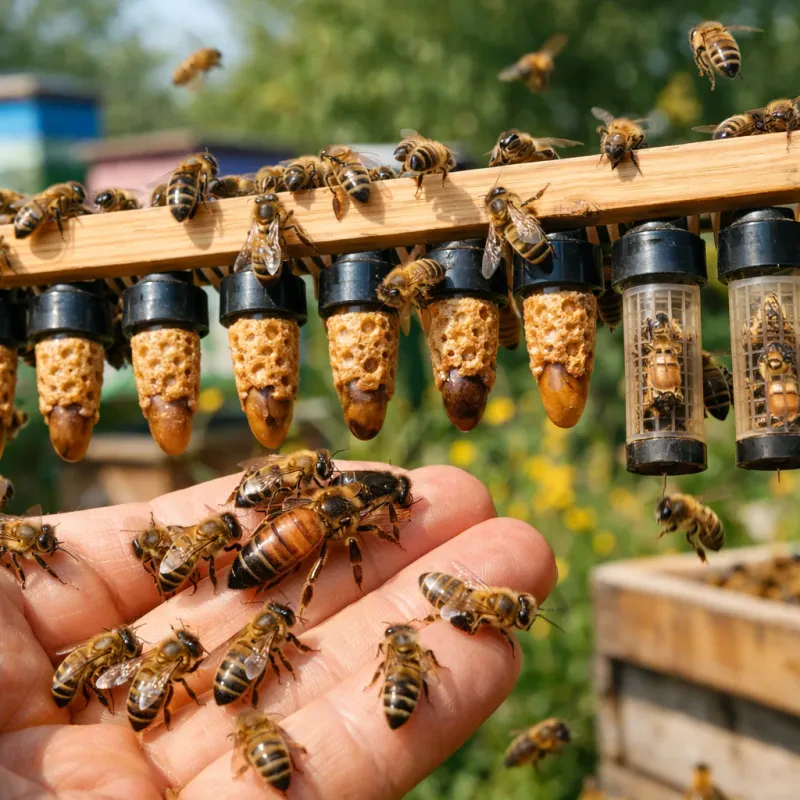
Now, let’s talk about bee types. You can start with Italian bees, known for their docile nature and strong honey production. They’re perfect for beginners! You can usually buy a package or a nuc, which is a smaller, established colony. Of course, before you go picking up your bees, make sure to learn about how to care for them. A little research on bee behavior goes a long way in ensuring a happy hive.
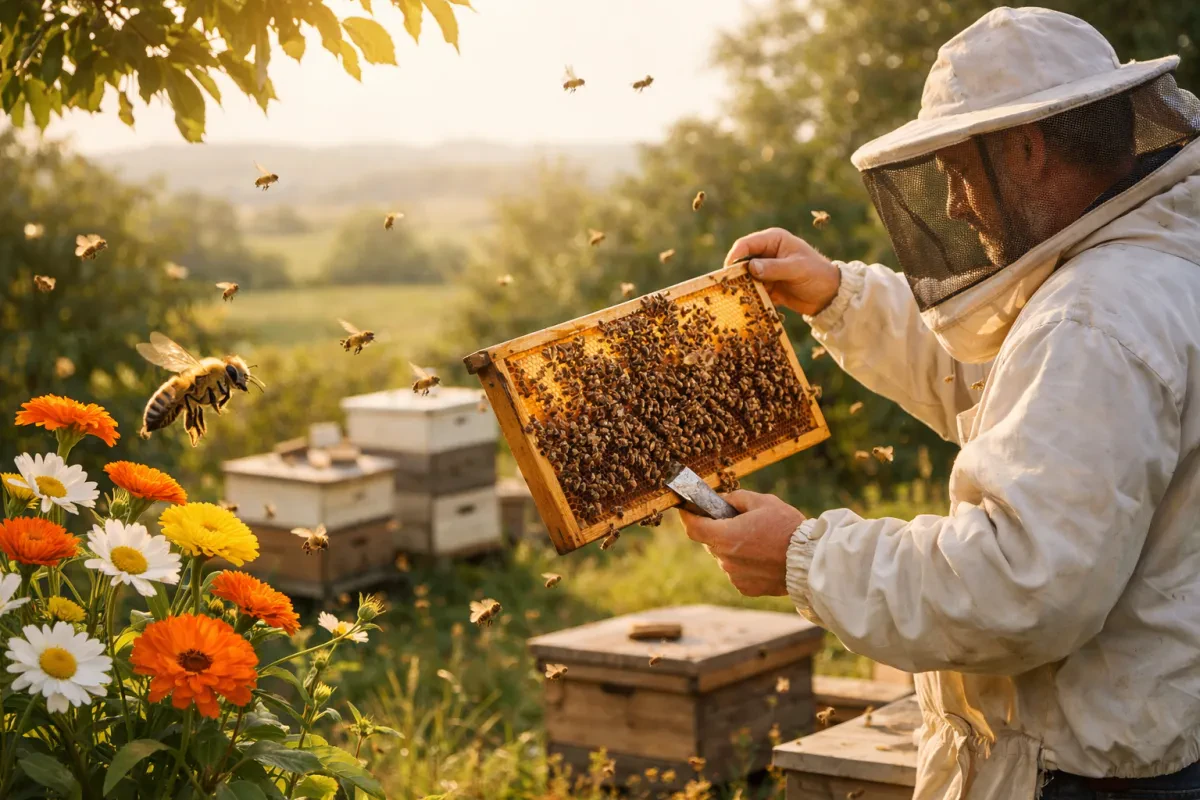
Finally, stay engaged with your hive. Regular check-ups will give you insights into how your bees are doing. Watch for signs of disease, pests, or if they need more space. Always be ready to adapt and learn as you go. With these basic bee keeping tips, you're well on your way to becoming a confident beekeeper!
Choosing the Right Equipment
When you're starting out in bee keeping, picking the right equipment can feel overwhelming. There’s a lot out there, but you just need the basics to get going. Here are some easy bee keeping tips to help you choose what you really need.
Firstly, a solid beehive is non-negotiable. There are various types, but a Langstroth hive is a great choice for beginners. It’s easy to set up and manage. Make sure to get one that comes with frames and foundation—the bees need a place to build their honeycomb.
Next, don’t forget about protective gear. A beekeeping suit is vital for keeping you safe from stings. Look for a suit that fits comfortably and has ventilation to keep you cool while you work with your bees. A good pair of gloves and a veil to protect your face will add extra peace of mind.
Lastly, you’ll need some basic tools. A hive tool is essential for prying open the hive and handling frames. A smoker is also important as it calms the bees, making your visits much safer and smoother. When you have these essentials, you're ready to dive into the exciting world of beekeeping!
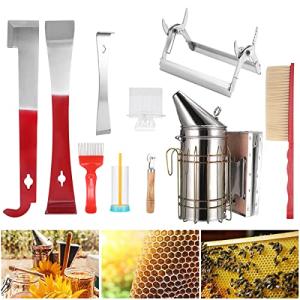
10-Piece Beekeeping Tool Kit for Beginners
Everything you need to start your beekeeping adventure with confidence and ease
Product information
£19.99
Product Review Score
4.21 out of 5 stars
28 reviewsProduct links
Understanding Bee Behavior
One important aspect of bee behavior is how they communicate. Bees use dance to share information about food sources. If a bee buzzes back to the hive after discovering a great flower patch, it performs a little wiggle dance to tell others where to go. Keeping an eye on these dances can give you tips on where to place your hive for the best foraging spots.
Another thing to remember is that bees can become defensive when they feel threatened. A calm and gentle approach goes a long way. Wear your bee suit, move slowly, and avoid sudden movements. If you respect their space, you and your bees will coexist happily. These bee keeping tips will help you build a stronger bond with your bees.
Temperature and weather also influence how bees behave. On hot days, you might see them clustering near the entrance of the hive to cool off. If it’s cold, they huddle together to keep warm. Knowing how different conditions affect your bees helps you manage your hive better and make adjustments as needed.
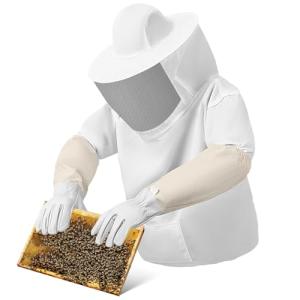
Ventilated Beekeeper Suit with Protective Gloves Set
Stay cool and protected while tending to your bees with this comfortable and safe beekeeper suit and gloves set
Product information
£15.59
Product Review Score
4.23 out of 5 stars
124 reviewsProduct links
Maintaining Your Hive Health
Keeping your hive healthy is super important for your bees and for your honey harvest. One of the most crucial bee keeping tips is to regularly inspect your hive. Check for signs of disease, pests, or queen problems. Your bees will tell you a lot just by their behavior—if they seem restless or if fewer bees are coming and going, it’s time to take a closer look.
Make sure to keep the hive clean. Remove any dead bees or debris that could attract pests. You want to create a healthy environment for your bees to thrive. A clean hive also makes it easier to spot any issues that arise when you’re inspecting. Don’t forget about ventilation! Good airflow helps keep the temperature and humidity levels just right.
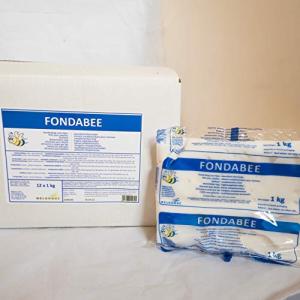
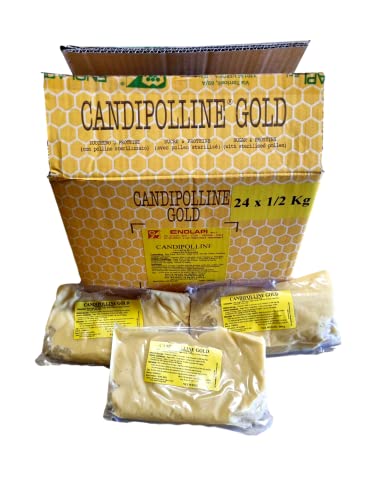
Nutrition is key, too. Bees need proper food to keep the colony healthy. During nectar dearths or in colder months, consider supplementing their diet with sugar syrup or protein patties. This is one of the lesser-known bee keeping tips but can make a huge difference in how well your bees do.
Also, remember to respect your bees. Avoid opening the hive too frequently. Give them space, and they’ll thrive. If you need help, don’t hesitate to reach out to local beekeeping groups. Learning from seasoned beekeepers can provide tons of practical insights that you won’t find in books.