Feeder Types for Bees Explained
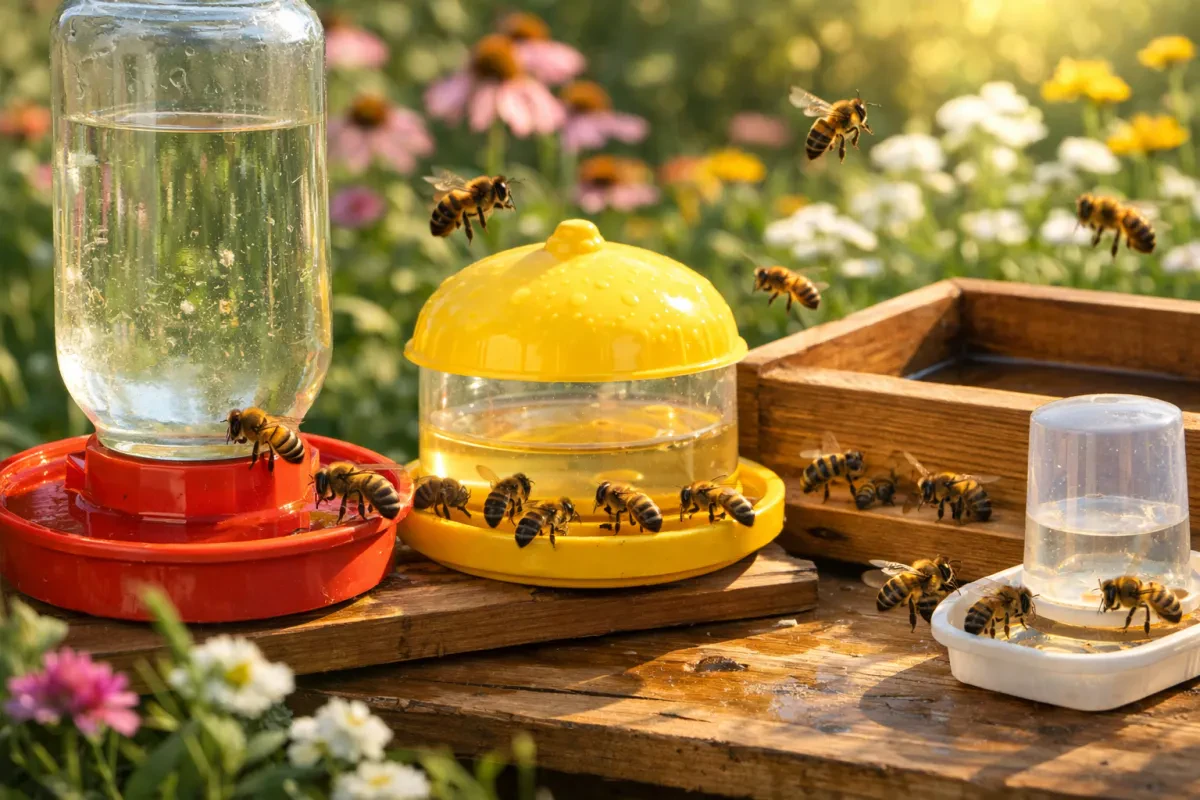
Keeping your bees fed and happy is essential for a thriving hive. When you're looking into feeder types for bees explained, you want options that work well and fit your beekeeping style. Here are some top choices that will keep your buzzing buddies satisfied.
One popular option is the top feeder. These feeders sit right on top of your hive, making it easy to refill without disturbing the bees too much. They’re great for early spring or late fall when the bees need a little extra help. Filling these up is straightforward, and they can hold a good amount of syrup, so the bees won’t run out too quickly.
Frame feeders are another solid choice. These fit right inside your hive, taking up the space of a frame. Since the bees have direct access, they can feed comfortably without leaving the hive. Plus, you can keep an eye on nectar levels without opening the whole hive. Just pop off the cover and check things out!
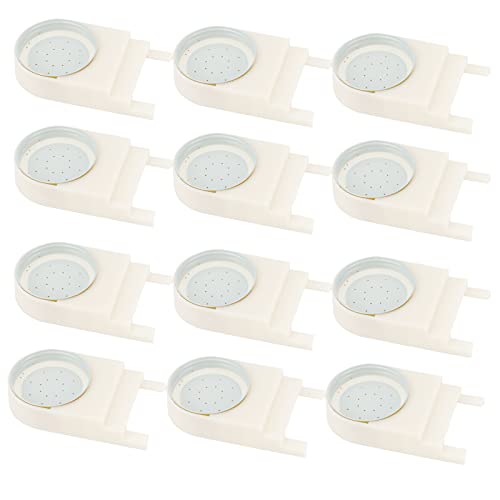
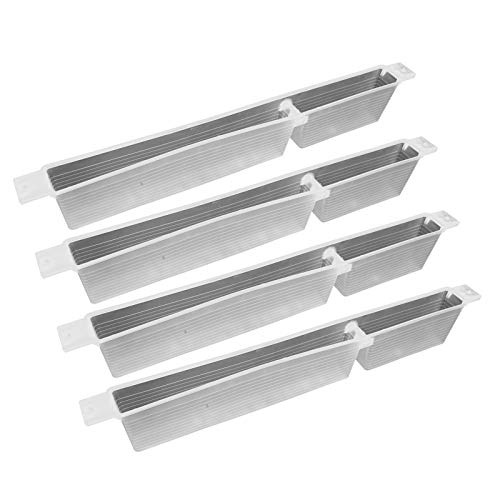
If you're looking for something that's easy to use and lets you monitor your bees closely, consider entrance feeders. These are placed right at the entrance of the hive. They work well in warmer months and let bees feed without leaving the hive. Just keep an eye on them so you don’t attract unwanted pests.
No matter which feeder type you go with, keeping your bees well-fed is key. After all, happier bees mean a healthier hive! With the info on feeder types for bees explained, you’ll be ready to choose the best option for your buzzing friends.
Top Features of Each Feeder
When it comes to the best feeder types for bees explained, knowing the standout features of each feeder can help you choose the right one for your hive. Here are some top features to consider:
1. Entrance Feeders: These feeders sit right at the hive’s entrance. They’re super convenient because bees can access them quickly. No need to open the hive every time! Look for models that are easy to refill and have a design that prevents drowning. This keeps your bees happy and safe while they enjoy the sugar syrup.
2. Top Feeders: Placed directly on top of the hive, these feeders are ideal for larger colonies. They can hold a good amount of syrup, so you won’t need to refill them too often. Plus, they minimize the risk of robbing by other bees, keeping your hive secure. Choose options with sturdy lids to prevent spills and bees escaping.
3. Frame Feeders: Perfect for those who want a seamless solution! These feeders fit right into your hive in place of a frame. This makes it easy for bees to access the syrup while still keeping the hive’s structure intact. A good frame feeder should have a high capacity and be easy to clean for long-term use.
4. Hive Top Feeders: Similar to top feeders but with the added charm of a built-in bee escape. These feeders allow bees to access syrup while preventing them from drowning. You’ll love how easy they are to maintain, and they can often accommodate larger quantities, making feeding your bees simple and efficient.
The Bee Book: Protecting Bees and Beekeeping Basics
Discover essential tips on how to keep bees healthy while mastering the fundamentals of beekeeping
Product information
£19.99 £15.29
Product Review Score
4.38 out of 5 stars
39 reviewsProduct links
Choosing the Right Feeder for Your Hive
When it comes to keeping your bees happy and healthy, choosing the right feeder is super important. With so many feeder types for bees explained, it’s easier than ever to find one that suits your hive's needs.
First up, let’s talk about the top feeder. This one sits right on top of your hive. It’s great because it gives bees access to food without needing to open the hive too often. You can fill it with sugar water or other bee treats, and the bees can feed as they please. Just make sure it’s designed to avoid drowning those little guys.
Next, you have the entrance feeder. This one goes right at the entrance to the hive. It’s handy for keeping things less intrusive, but you might need to keep a close eye on the food levels. Buzzing bees can be a little protective of their space, so it’s essential to balance feeding without causing stress.
If you want something that's a bit more hidden, consider a frame feeder. These fit right inside your hive in place of one of the frames. Your bees will love the extra space for feeding, and you'll appreciate how discreet it is. Just remember to refill it regularly, so your crew doesn't go hungry.
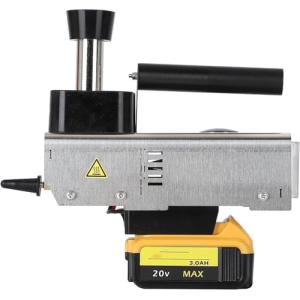
Portable Oxalic Acid Vaporizer for Healthy Bees
Keep your bees happy and healthy with this easy-to-use vaporizer that tackles mites effectively
Product information
£585.99
Product Review Score
4.9 out of 5 stars
212 reviewsProduct links
Maintenance Tips for Bee Feeders
Keeping your bee feeders in good shape is key to happy bees and a thriving hive. Here are some easy maintenance tips to keep your feeders functioning well and your bees well-fed.
First up, always check your feeders for leaks. If your feeder drips, it can create a sticky mess and attract unwanted pests. A quick inspection can save you a headache down the road. Make sure the seals are tight and the entrance holes are clear. If you see any issues, fix them right away.
Cleaning your feeders regularly is super important too. Moldy or dirty feeders can harm your bees. Mix some warm water with a bit of vinegar and scrub them down every couple of weeks, especially during feeding season. Rinse well and let them dry before refilling.
When it comes to refilling, avoid overfilling the feeders. Keep the sugar water or syrup at the right level to prevent spills. For different feeder types for bees explained, some may require you to adjust how much you fill based on the design. Just keep an eye on how much your bees are consuming and refill as needed.
Finally, don’t forget to monitor the feeder's position. If it’s getting too much sun or rain, it may be time to move it. Find a spot that provides some shade and protection but is still accessible to your bees. This simple change can make a big difference in their feeding behavior.