When it comes to keeping your bees healthy and happy, choosing the best food for bees is key. Here are some top options that beekeepers rave about.
First up is sugar syrup. This is a classic choice for feeding bees, especially in early spring or during a dearth in nectar flow. Just mix equal parts sugar and water, heat it up slightly to help dissolve the sugar, and let cool. The bees will appreciate this sweet treat, and it gives them the energy boost they need.
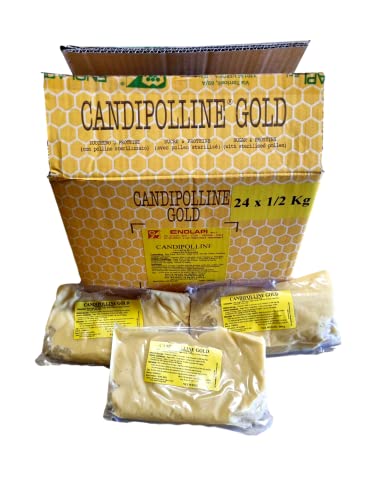
Pollen patties are another favorite. These are packed with protein and vitamins, which are essential for bee health. You can buy pre-made patties or make your own by mixing pollen, sugar, and a bit of water into a doughy consistency. Placing these patties in your hive can really support your bees, especially during times when natural pollen is scarce.
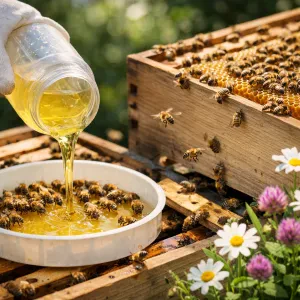
Don’t forget about honey! If you harvest honey, leave some for your bees. They rely on it for nutrition, and it’s the best food for bees. Just make sure to keep a well-balanced supply, so they never run out. If you're not harvesting, consider sharing some of your own spare honey with them!
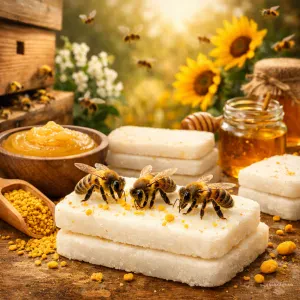
Lastly, bee candy can be a great fallback option. It’s easy to make with powdered sugar and corn syrup or you can buy it ready-made. It’s a great emergency food source when you can’t get to your bees for some time. Keeping a stash of this candy can help your bee colony thrive, even when food isn’t readily available.
Natural Options for Happy Bees
If you want to keep your bees happy and healthy, consider natural options for feeding. These choices can boost their energy and overall well-being. Not only do they help the bees thrive, but they also promote strong colonies. Here's a look at some of the best food for bees that you can easily incorporate into your beekeeping practice.
Pollen patties are a favorite among beekeepers. They combine pollen with sugar syrup or water, creating a nutrient-rich treat that boosts the bees’ protein intake. You can either buy them pre-made or whip up your own at home. Just make sure to introduce them during the spring and fall when natural pollen sources are scarce.
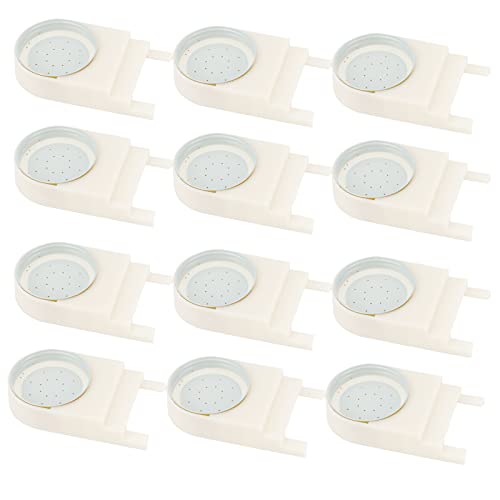
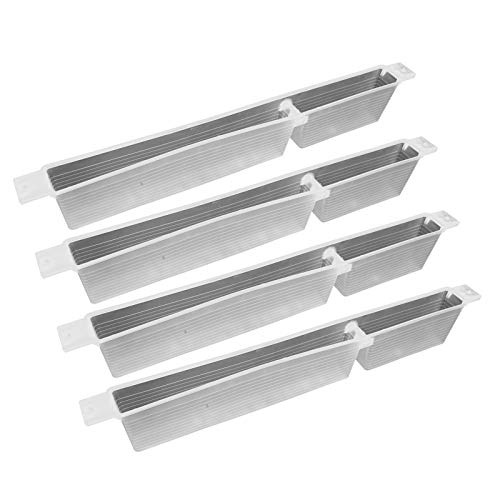
Sugar syrup is another excellent option. It’s super simple to mix and a great way to provide instant energy. Just combine one part water with one part plain granulated sugar, warm it slightly, and stir until it dissolves. Use a feeder to give your bees access to this sweet liquid. This works well during times when flowers aren’t blooming, making it the best food for bees during those lean months.
Don’t forget about feeding honey if your colony needs a little extra help. If you have extra honey from harvesting, you can give it back to your bees. Just ensure it’s unprocessed and from a disease-free source. This gives them all the natural benefits they’re used to, and they’ll appreciate the taste!
Finally, consider herbal infusions. Mixing in some herbs like mint or thyme into your sugar syrup can provide a nice boost. These herbs might offer health benefits and keep your bees happy and buzzing! Experiment with different combinations to find what your bees enjoy the most—after all, happy bees make happy hives!
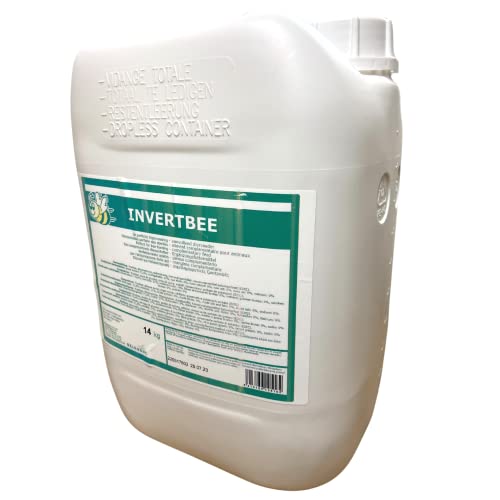
14Kg Bee Food Syrup for Beekeeping Ready to Use
Premium quality 14Kg Bee Food Syrup Perfect for Beekeeping, Already Prepared and Ready to Use
Product information
£37.95
Product Review Score
4.46 out of 5 stars
121 reviewsProduct links
Sugar Water vs. Commercial Feed
When it comes to feeding your bees, you'll often come across two main options: sugar water and commercial feed. Both can be effective, but they serve different purposes and can suit different situations. Let’s break it down so you can find the best food for bees in your hives.
Sugar water is simple to make and can be a lifesaver during those chilly months when flowers are few. It’s just sugar dissolved in water, usually in a 1:1 ratio. This mix gives the bees a quick energy source and helps them survive until spring brings back the nectar flow. If you're looking for an easy and affordable way to keep your bees happy, sugar water is a solid choice.
On the flip side, commercial feed comes in various forms, including dry patties and liquid options designed to provide essential nutrients that sugar water lacks. These feeds often contain proteins, fats, vitamins, and minerals which help bees build strength, especially if they’re starting a new colony or are recovering from stress. If you want to give your bees the best food for bees that supports their overall health, commercial feeds are definitely worth considering.
The choice largely depends on your current situation. If your bees are in immediate need of energy, whip up some sugar water. If you’re focusing on long-term health and productivity, go with a quality commercial feed. Your bees will appreciate the effort, and in return, they can keep your hive buzzing happily!
Sustainable Beekeeping for Happy, Healthy Bees
Discover eco-friendly methods to keep your bees thriving and your hive buzzing
Product information
£16.99 £12.95
Product Review Score
4.64 out of 5 stars
137 reviewsProduct links
Seasonal Feeding Tips for Beekeepers
When the seasons change, so do the needs of your bees. Understanding how to feed them during different times of the year is key to keeping your hive strong. Here are some seasonal feeding tips that can help you provide the best food for bees!
In spring, as flowers begin to bloom, your bees will be busy gathering nectar. However, they still might need a little extra boost to get going. Light syrup made from sugar and water, with a 1:1 ratio, can be a great way to support them. Just ensure they have enough healthy pollen available to encourage brood production.
Summer is the prime time for foraging, but when the nectar flow slows down, your bees might still require some extra food. You can provide a thicker syrup (2:1 ratio of sugar to water) to help them store food for the winter. Check your hives regularly and look for signs that they need replenishment.
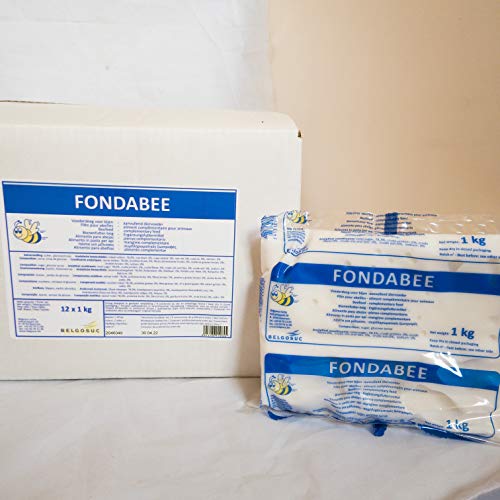
As the weather cools in fall, it’s crucial to prepare your bees for winter. Consider using fondant or hard candy as a source of food, as these options are less likely to promote fermentation. Placing these in the hive will ensure they have enough to survive when foraging isn’t an option.
Winter can be tough, and bees often rely on what you’ve provided. They can’t go out and find food, so stocking up before the cold sets in is essential. Remember, the best food for bees leads to healthier hives, so keep an eye on their food stores and monitor them regularly!