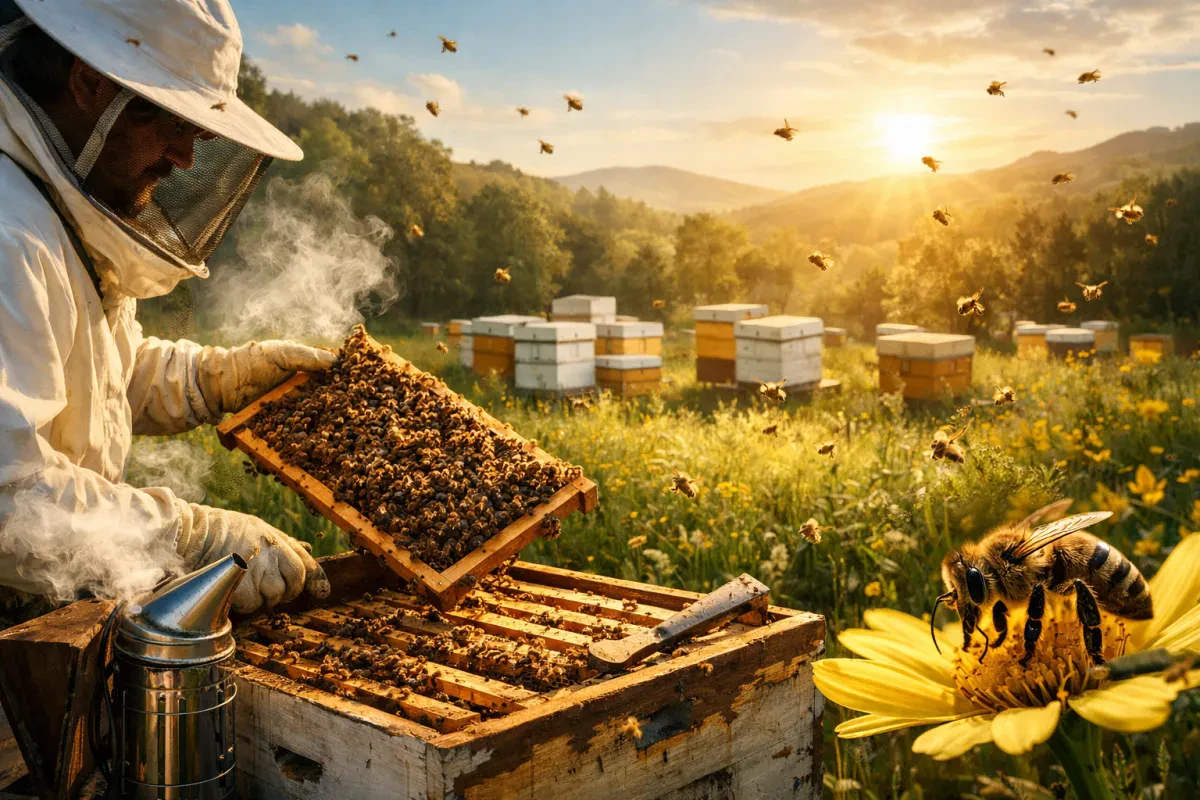
If you're diving into the world of beekeeping, getting the right essentials is key. You don’t need a massive setup to start; just some basic tools will set you up for success. First off, a good bee suit is your best friend. Look for one that fits comfortably and provides solid protection. You'll be dealing with bees, so comfort and safety go hand in hand.
Next on your list should be a suitable hive. You can choose from Langstroth, top-bar, or Warre hives, but it depends on what you want to achieve. If you’re after honey production, a Langstroth hive is popular among professionals. Make sure you also get hive tools like a smoker and a hive tool for smoother inspections and maintenance. These items make your life so much easier when checking on your bees.
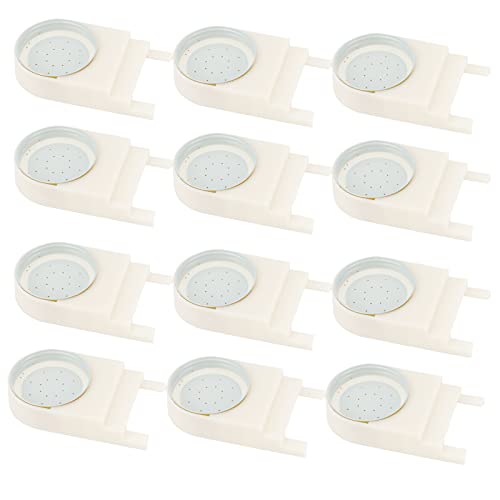
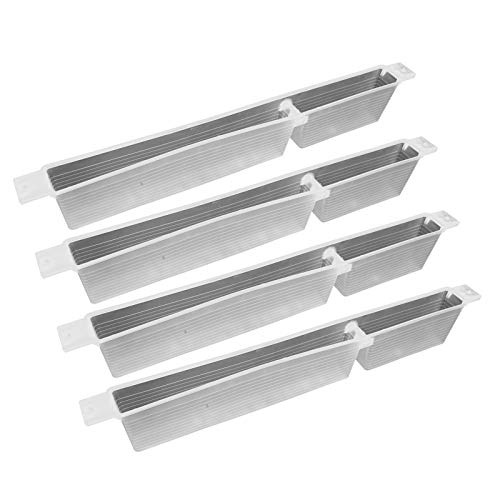
Another essential is a bee feeder. If your bees need a little extra help, especially during winter or early spring, a feeder is a smart way to provide that sugar syrup. And don’t forget to get yourself a good quality bee book or join a local beekeeping group. Having access to seasoned beekeepers can give you priceless beekeeping tips for professionals that you won’t find in any manual.
Lastly, don’t skip on getting some quality bees! You can purchase a package or a nucleus colony to get started. It’s worth doing some research to find a reliable source. Healthy bees mean a successful hive, and that’s what we all want. With these essentials in your beekeeping toolkit, you’re set up for a happy and productive beekeeping journey!
Understanding Bee Behavior for Better Management
Understanding bee behavior is crucial if you want to manage your hives effectively. Bees are fascinating creatures, and knowing how they think and act can help you create a thriving environment for them. For instance, bees communicate through dancing. Yes, that’s right! A good worker bee can signal to her hive mates where to find the best flowers by performing a little wiggle dance. Understanding this can help you locate the best resources your bees are using.
Another aspect to consider is how bees respond to seasonal changes. In spring, they’re all about building their colony and foraging for food. But come autumn, their focus shifts to preparing for winter. By keeping an eye on these behavioral changes, you can manage your hive more efficiently. For example, in late summer, it’s a good idea to start preparing them for the colder months by ensuring they have enough honey stored up. These insights are among the essential beekeeping tips for professionals.
Also, be aware of stress factors that affect bee behavior, like pests, diseases, or even weather conditions. High humidity or extended rain can change their foraging habits, which might mean you need to step in and provide some extra food or protection. Being proactive helps keep your bees happy and healthy while ensuring your honey production stays on track.
Watch out for signs of queen problems, like a sudden drop in population or strange behavior in your bees. Queen bees are the heart of the hive, and anything affecting her will surely ripple throughout the colony. Spotting these issues early can save you from losing your entire hive. As you dig into these beekeeping tips for professionals, remember that understanding your bees' behavior is key to successful and fruitful beekeeping.
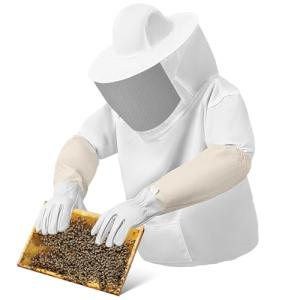
Ventilated Beekeeping Suit with Gloves Set
Stay cool and protected in the hive with this comfy and durable beekeeping suit and gloves combo
Product information
£15.59
Product Review Score
4.13 out of 5 stars
144 reviewsProduct links
Choosing the Right Equipment for Success
When it comes to beekeeping, having the right equipment can make all the difference. You want tools that not only get the job done but also make your life easier. So, let’s dive into some must-have essentials that can help you thrive in your beekeeping venture. These beekeeping tips for professionals focus on gear you won't want to skip.
First up, don't underestimate the importance of a good hive tool. This handy tool is great for prying apart frames and scraping off excess propolis. A sturdy hive tool saves time and helps you work efficiently. Look for one with a comfortable grip, as you’ll be using it often.
Protective gear is another essential. A quality beekeeping suit with a veil is non-negotiable. You want to feel safe while working with your bees. Plus, a suit that fits well will let you move freely. Don’t forget about gloves! They should be thick enough to protect you, but not so bulky that you can't grip your tools.
Lastly, invest in a good honey extractor. This piece of equipment deeply affects your efficiency during harvest time. A reliable extractor helps you maximize your honey yield with minimal fuss. Whether you prefer a manual or electric model, having an efficient extractor will save you time and keep your honey clean.
So, remember these tips when gearing up. Choosing the right equipment can truly set you up for success in your beekeeping journey. These practical beekeeping tips for professionals are all about helping you create a thriving hive and a smoother experience.
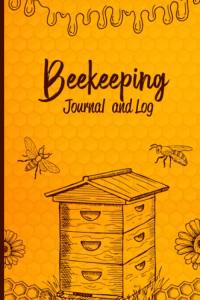
Beekeeping Journal and Log Book for Beginners
Keep track of your beekeeping journey and monitor hive health with this easy-to-use journal
Product information
£6.89
Product Review Score
4.2 out of 5 stars
44 reviewsProduct links
Maintaining Healthy Hives Year Round
Keeping your hives healthy year-round is key to a thriving bee operation. Start by checking your colonies regularly. Look for signs of disease or pests, like Varroa mites or foulbrood. Spotting these issues early can save you a lot of trouble down the road.
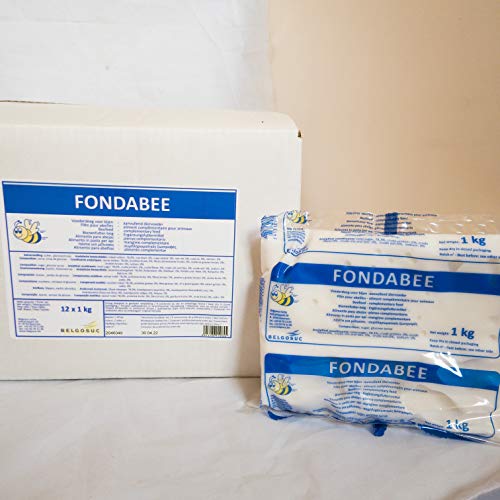
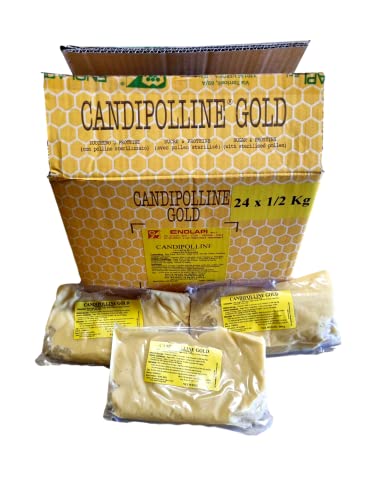
Feeding your bees is crucial, especially during colder months. If natural nectar sources are scarce, consider supplementing with sugar syrup or protein patties. This keeps your bees well-fed and strong. Remember, happy bees make for better honey!
Maintaining proper hive ventilation is another important tip. Bees need fresh air, but too much draft can chill them. Make sure your hives are well-ventilated while still protecting them from harsh winds. This balance helps prevent moisture buildup, which can lead to mold.
Practice good record-keeping. Jot down what you observe during inspections, including any treatments or feeding schedules. This record helps you spot trends and adjust your beekeeping management. These are solid beekeeping tips for professionals who want to stay on top of their game.
Finally, don't forget about the hive's physical condition. Regularly check for damage from weather or pests. Replace old frames, repair broken boxes, and keep everything tidy. A well-maintained hive supports the health of your bees and helps ensure a bountiful harvest.